
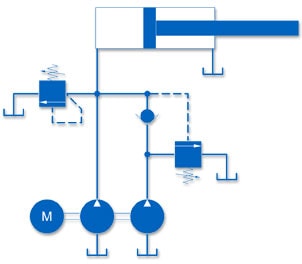
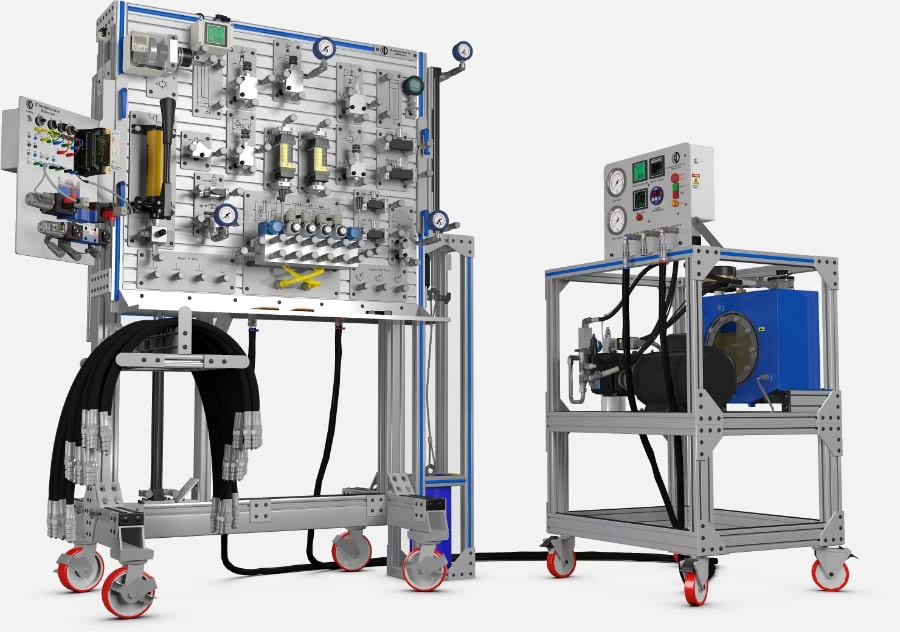
System Parameters
Objective: Review hydraulic principles and misconceptions that affect troubleshooters
Activity: Conduct a load (volumetric) test on a piston pump
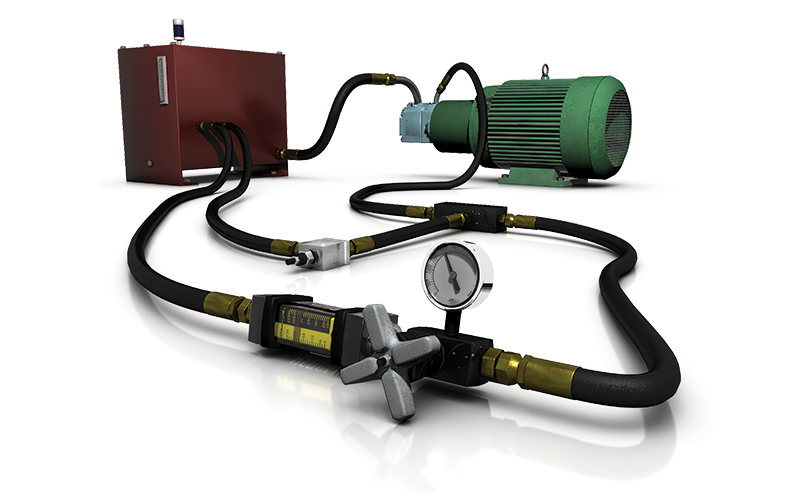
Avoid troubleshooting guesswork by knowing the condition & properties of the fluid source - the pump!
"Excellent - good visual aids and hands-on. A must have course."James T., Teck
Systems Design
Objective: Analyze complex circuit designs
Activity: Design and connect circuits on our training panel to solve basic hydraulics problems
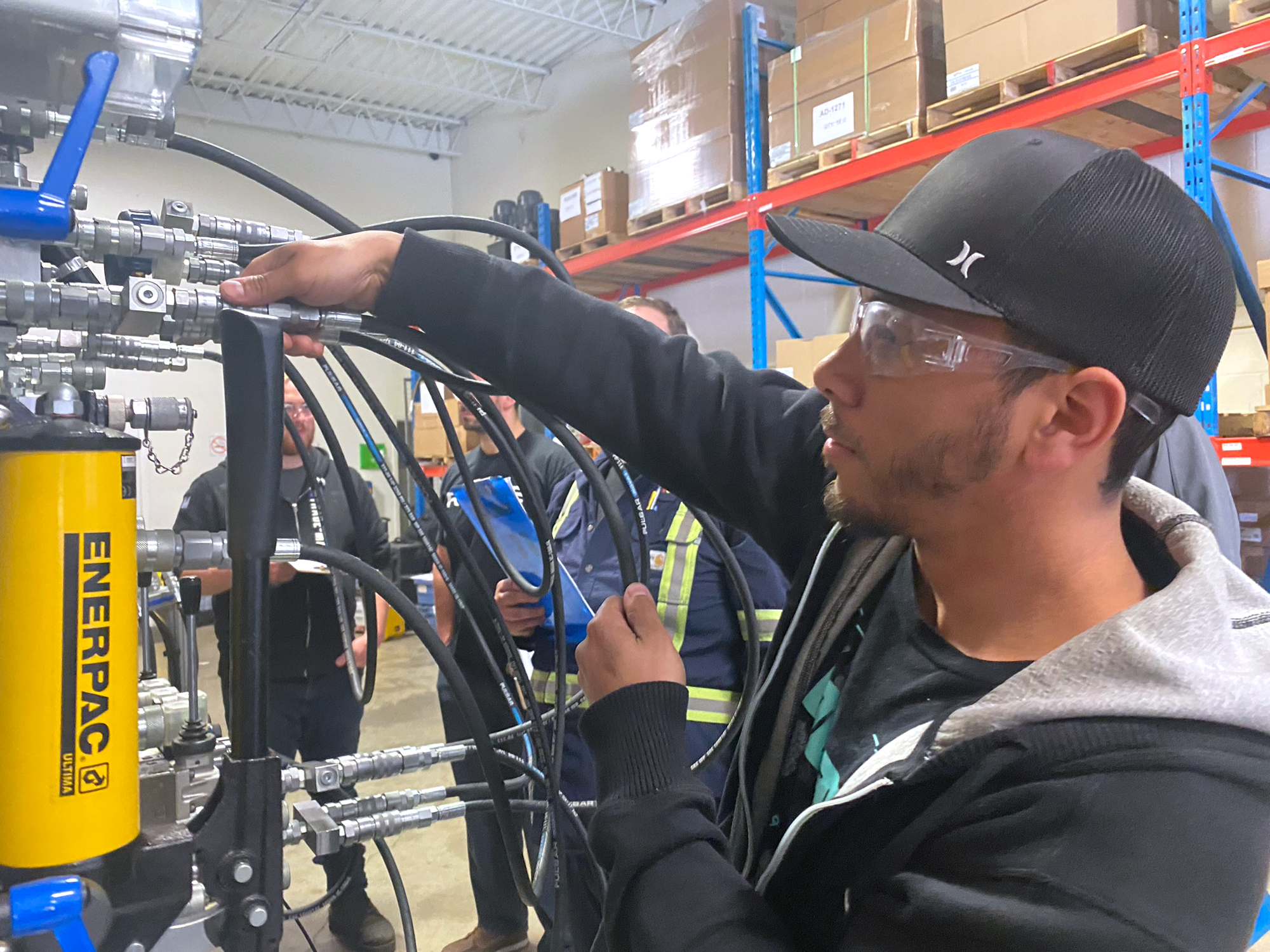
Learn to recognize groups of valves and designs within larger systems!
I understand the system and now I have the ability to troubleshoot the issue instead of just replacing parts.Jorge E., Pioneer
Safe Valve Adjustments
Objective: Set pressure valves using the correct, safe method
Activity: Adjust a counterbalance valve, safely, in simulation and on our training panel
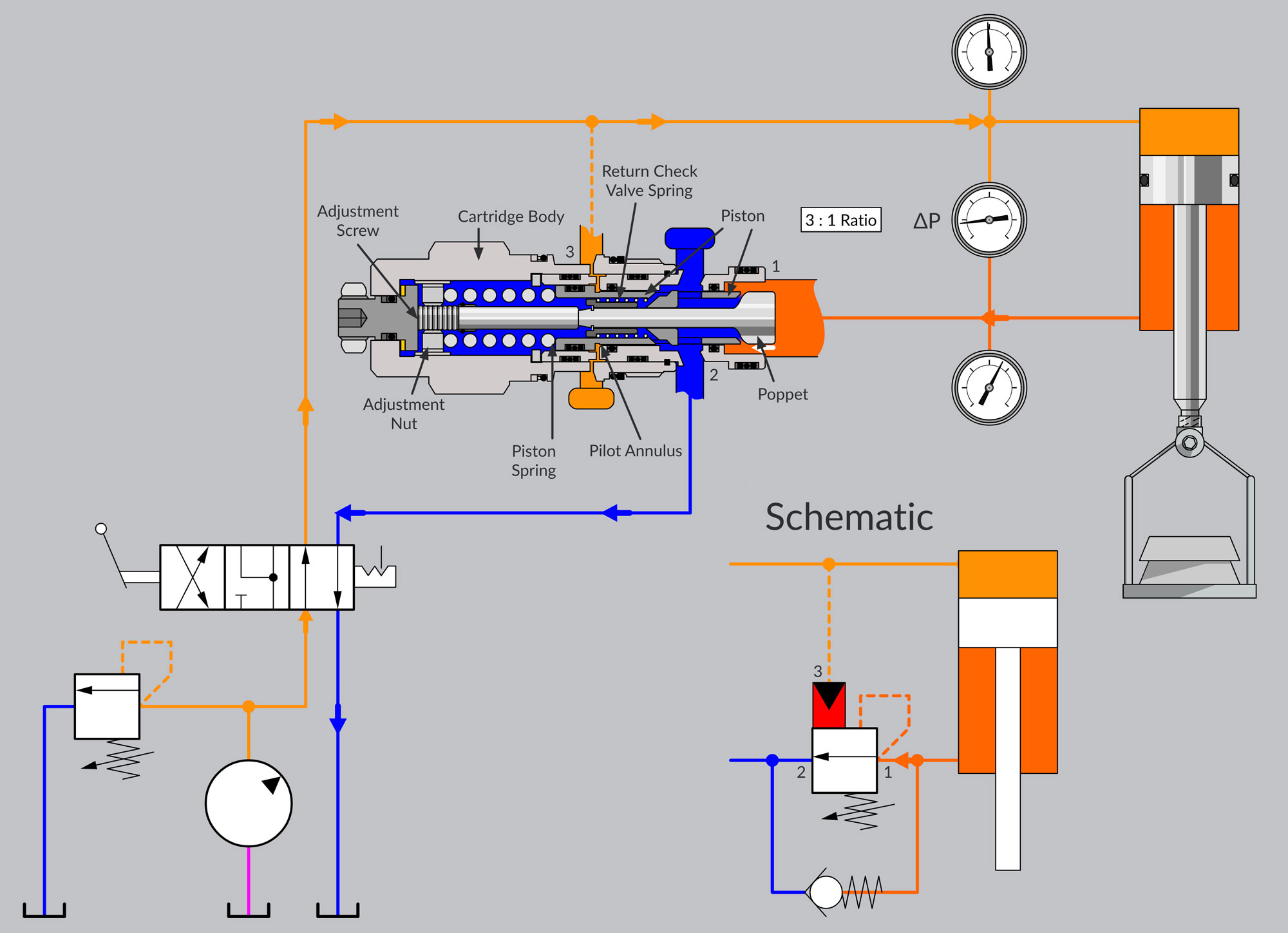
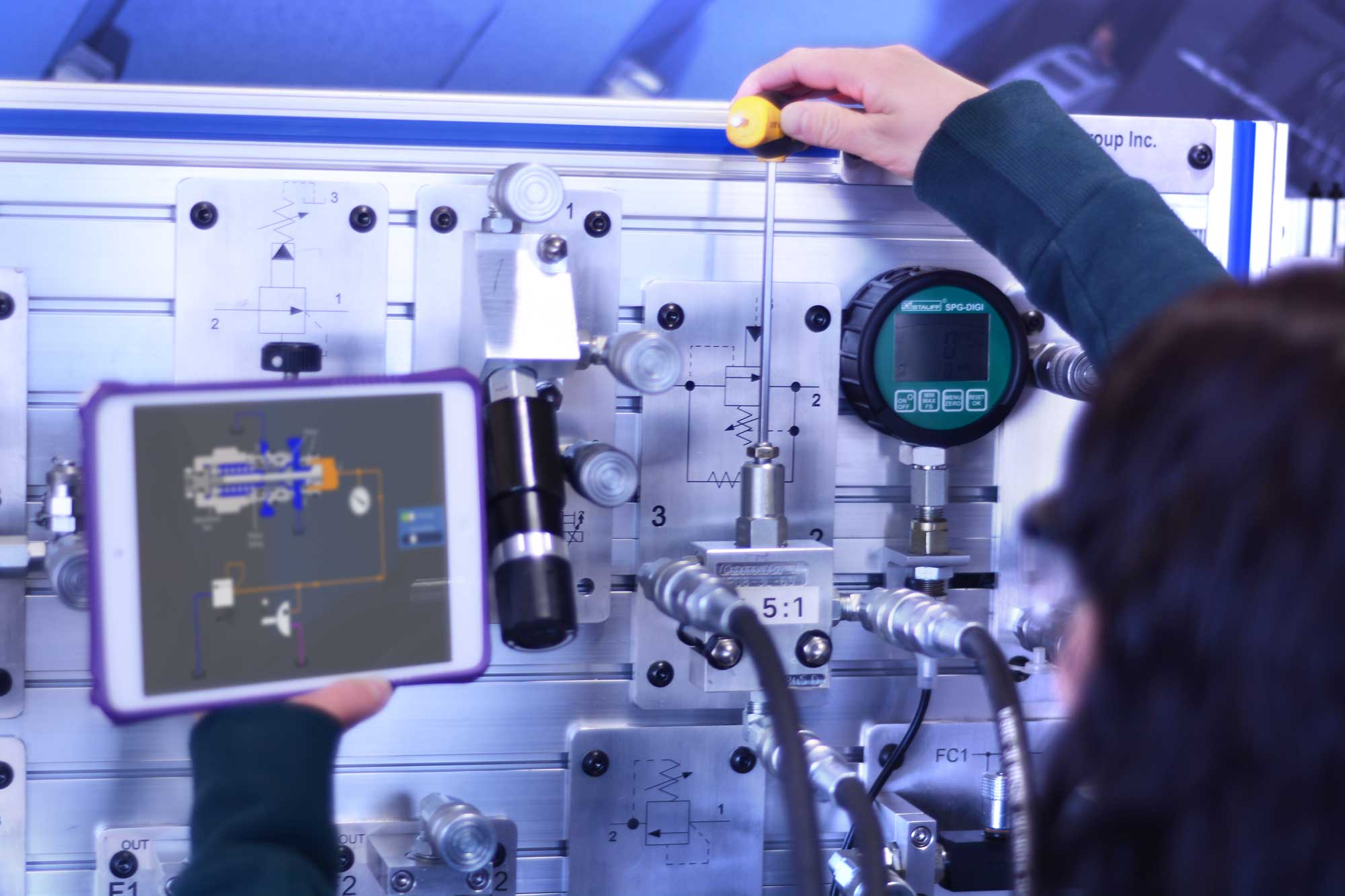
A one quarter turn of a pressure valve adjustment can increase pressure by 500 psi!
"Very well structured - equal parts practical and theory. The panels are a lot of fun."Carl D., Westcoast Cylinders
Preventative Maintenance
Objective: Describe preventative maintenance procedures
Activity: Identify maintenance tasks and frequencies for given systems
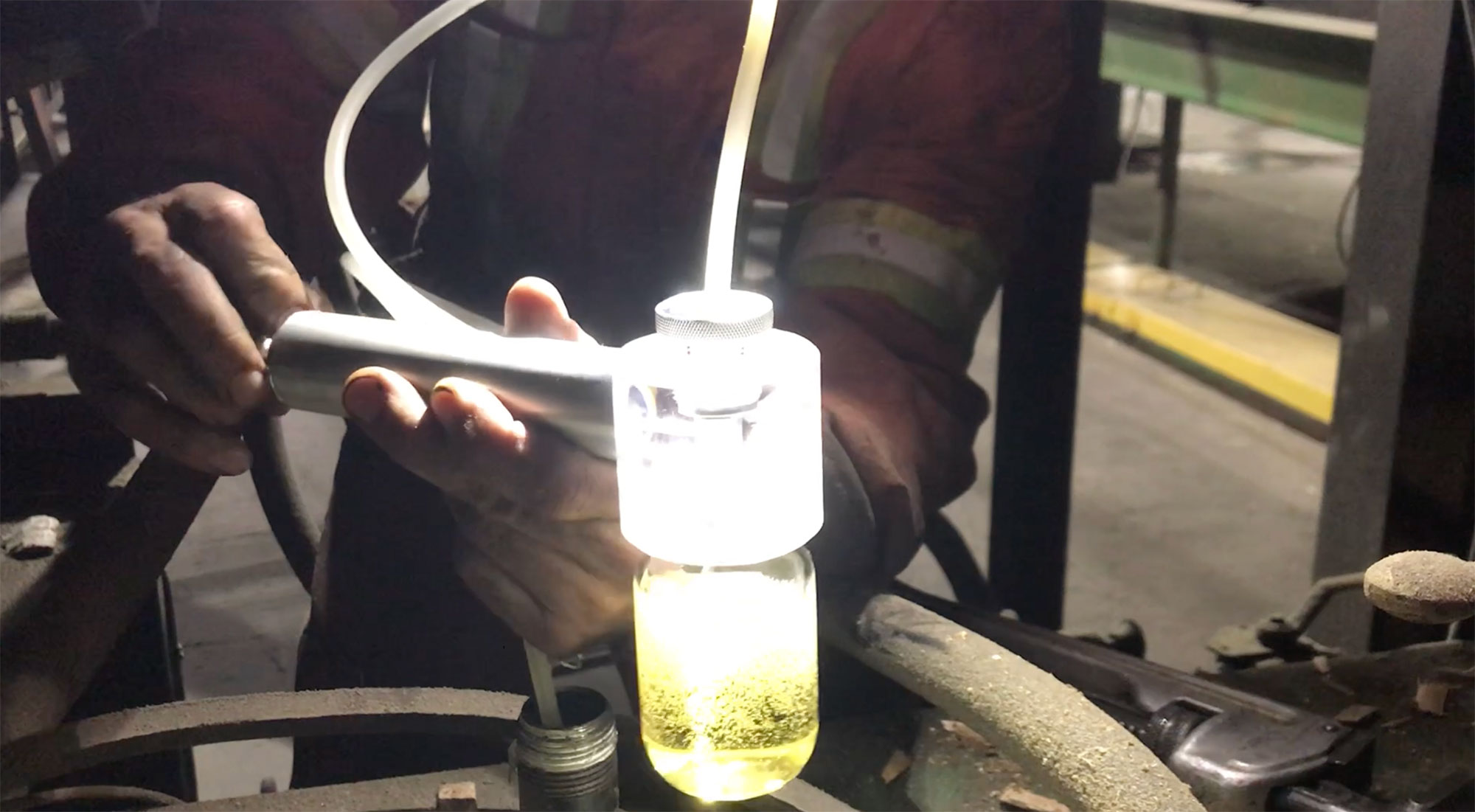
Find out what it takes to get long life from your systems!
Good mix of industry standards, parts and using our equipment schematics as examples. Very good and useful, especially with animation.Gerald R., Ridley Terminals
System Troubleshooting - Mobile
Objective: List the steps in logical troubleshooting
Activity: System troubleshooting simulation exercise
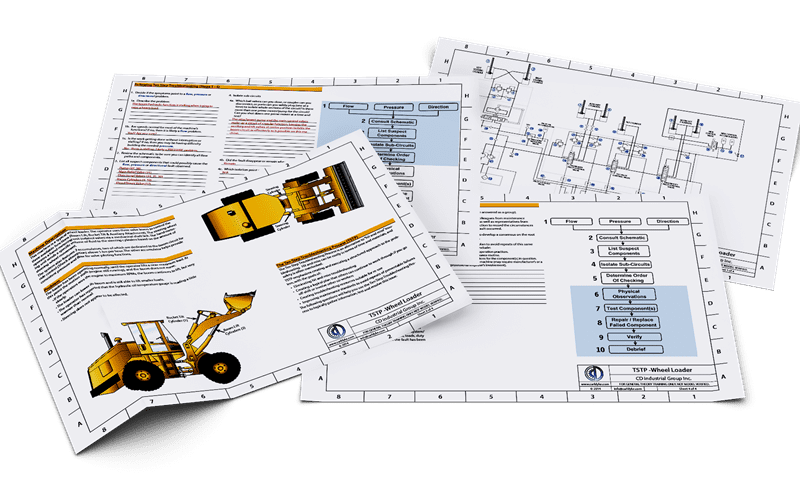
Learn the ten steps to logical and organized troubleshooting!
Course content was valuable to me because it was about equipment I actually work on daily,Brandon V., Pioneer
System Troubleshooting - Plant
Objective: List the steps in logical troubleshooting
Activity: System troubleshooting simulation exercise
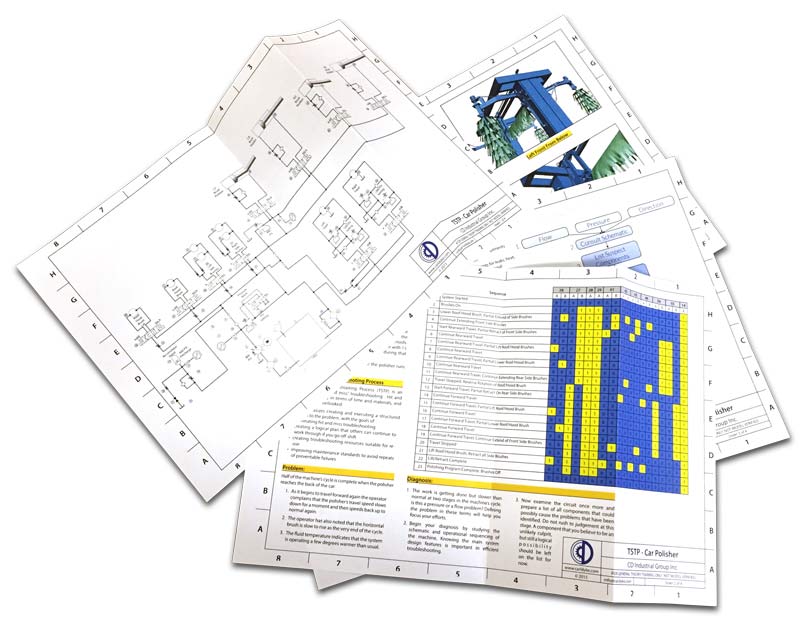
Learn the ten steps to logical and organized troubleshooting!
Course content is excellent. All very useful and very applicable.Tom H. BC Hydro
Hydraulic Pumps
Objective: Compare and explain the principles of various pump controllers
Activity: Work with our simulations and with pumps on our learning power units.
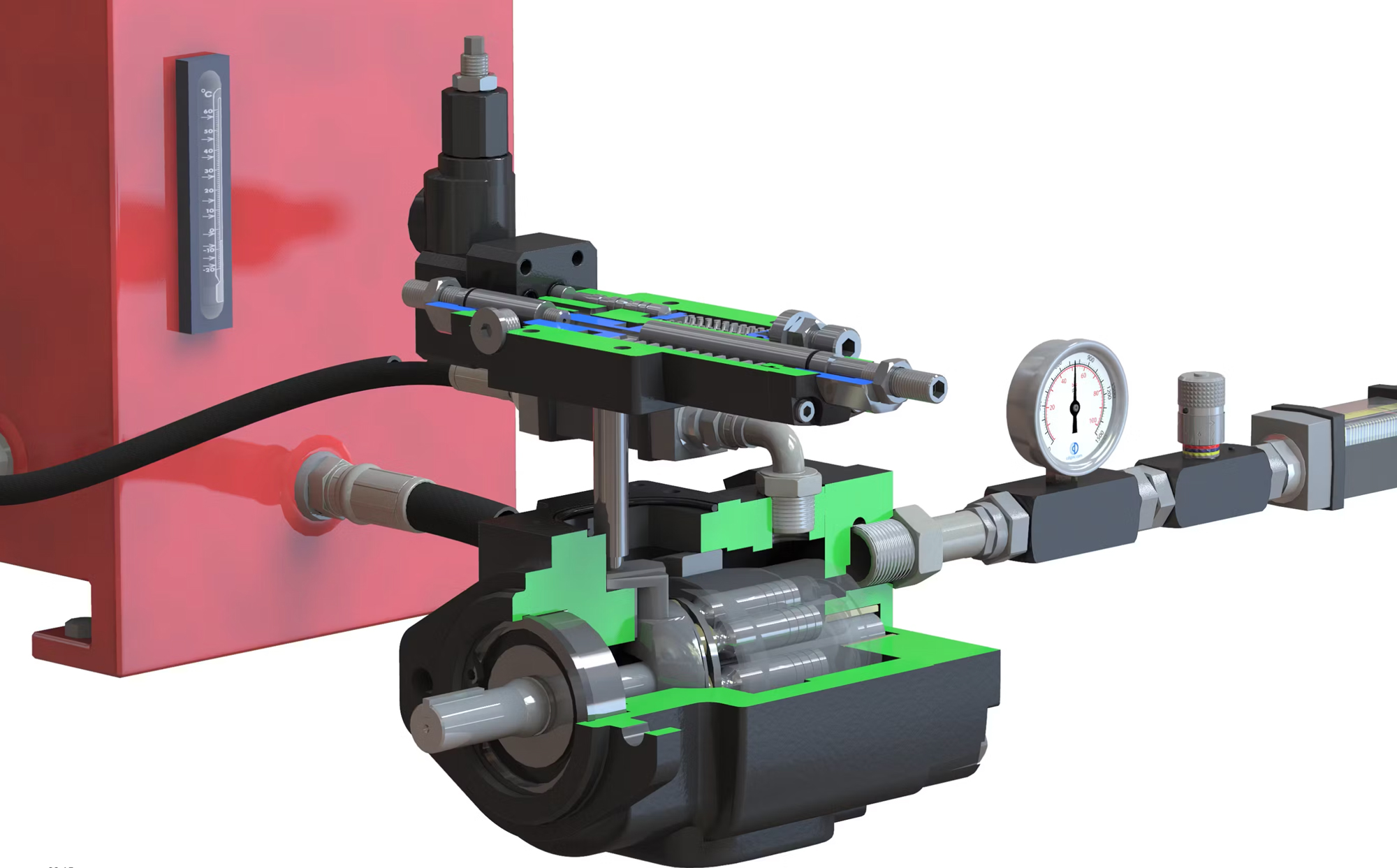
Know your inline and cross-axis pressure compensators.
Great content, the simulation were a great way to get a better understanding on how and what is actually going on internally.Cole B., Resolute Forest Products
Actuators
Objective: List procedures to diagnose common problems in cylinders and motors
Activity: Work with an internal cylinder leakage simulation and with our cylinder bypass panel
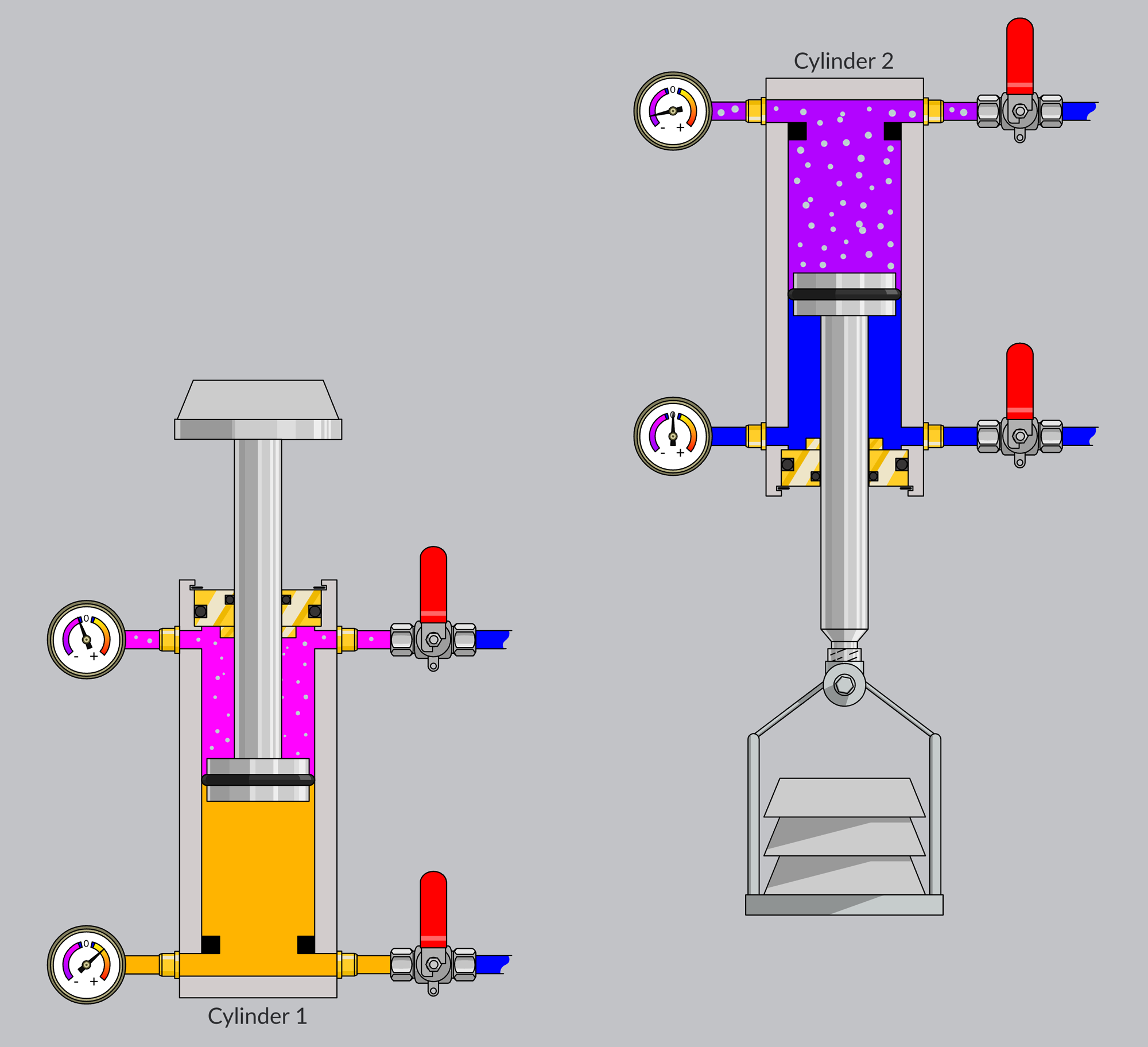
Learn cylinder drift myths and secrets, and the steps to keep pressure intensification and cavitation under control!
I liked the graphic animation of hydraulic systems, makes it easier to visualize.Thomas G., BC Rapid Transit
Accumulators
Objective: Identify accumulator models, safety blocking valves and precharge connections
Activity: Safely maintain nitrogen precharge pressure
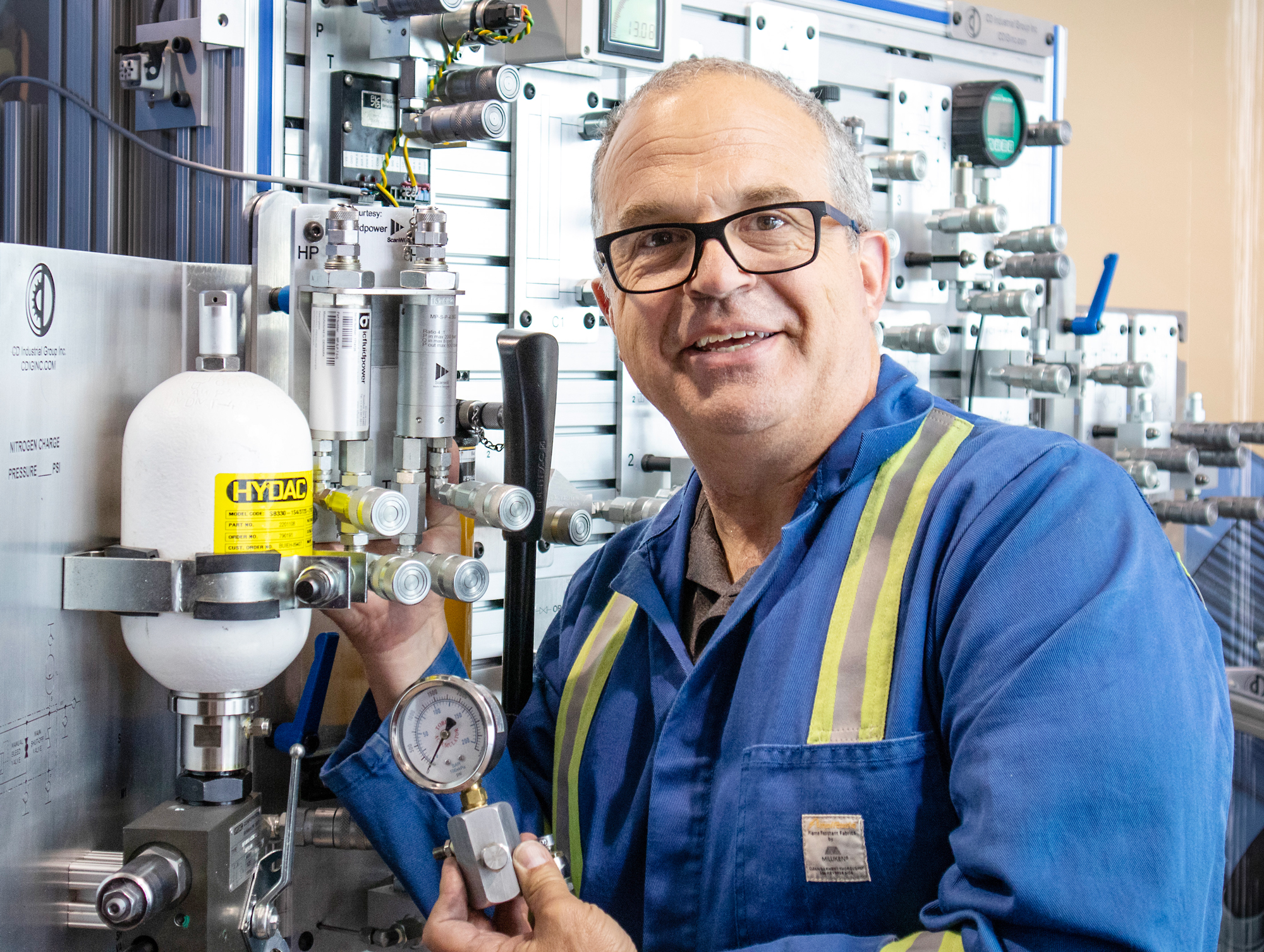
Test your systems knowledge with the Accumulator - Motor Challenge
Excellent. Goes beyond the "basics" of hydraulics, and gets you thinking about the system as a whole. Lawrence V., Fluid Power Solutions (MiMotion)
Valves
Objective: Identify valve designs and diagnose common problems.
Activity: Solenoid tests & valve disassembly, inspection and reassembly
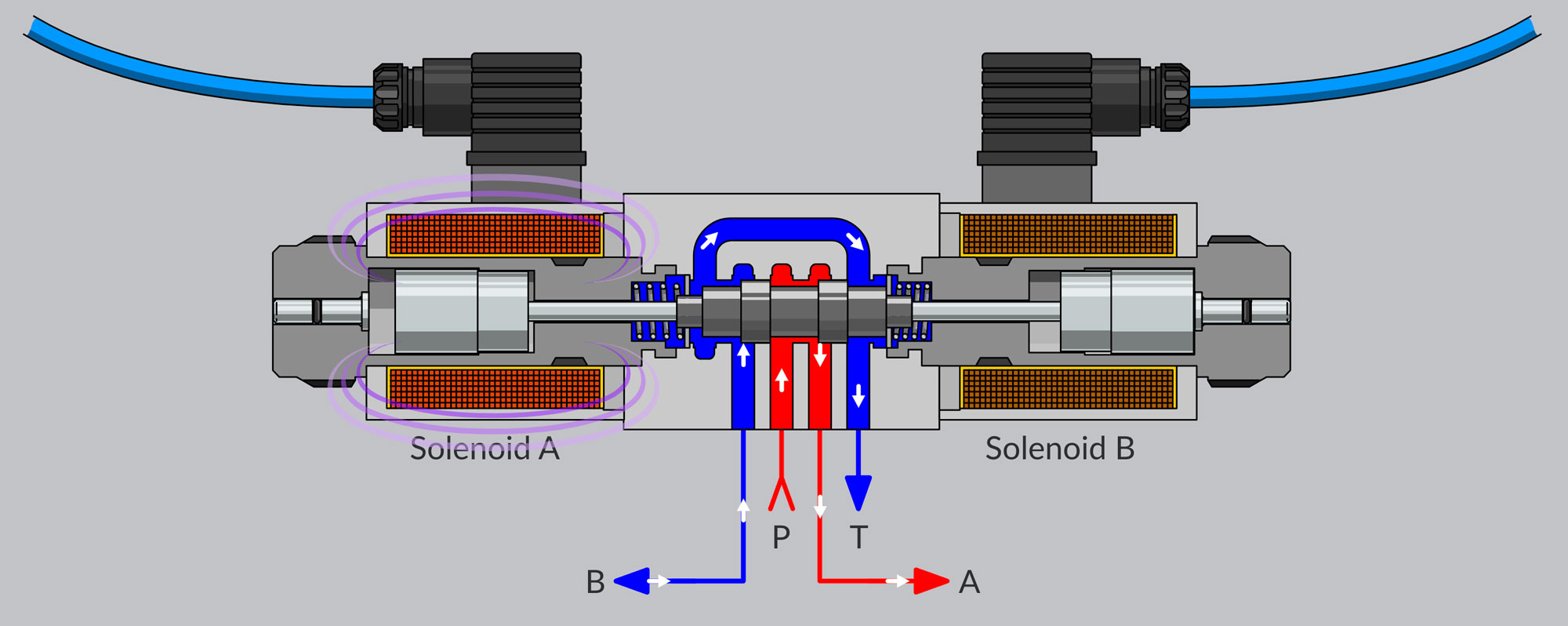
Learn to make logical checks to determine a valve problem!
Simply excellent course. Awesome.Craig M., Tolko